

UTMB Galveston Level I Trauma Center
The University of Texas Medical Branch (UTMB) in Galveston is home to a nationally recognized Level I Trauma Center and the region’s only American Burn Association Verified Burn Center. As the lead trauma facility for a nine-county region of Southeast Texas, UTMB provides the highest level of trauma and emergency care for patients with serious injuries and complex medical needs.
Our multidisciplinary team of physicians, nurses, therapists, and support staff is available 24 hours a day, 365 days a year to care for patients experiencing traumatic injuries, severe burns, traumatic brain injuries, industrial accidents, and other medical emergencies.
At UTMB, our commitment extends beyond lifesaving care. Through programs such as the Trauma Survivors Network, we strive to support patients and families throughout the recovery journey by providing education, resources, and connections that promote healing, resilience, and long-term recovery.
TSN Coordinator
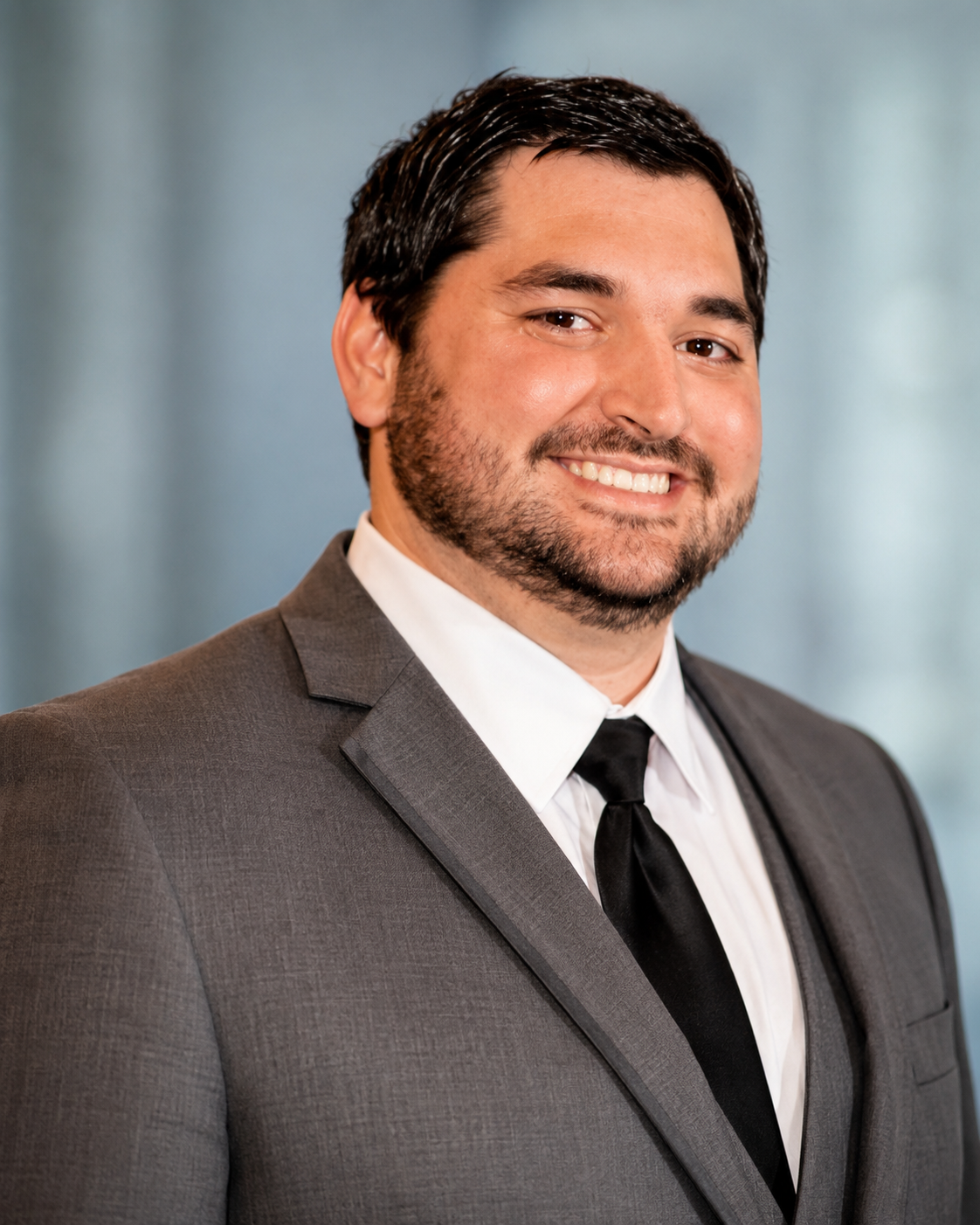
Preston Huff, BSN, RN
Trauma Injury Prevention Specialist & TSN Coordinator
University of Texas Medical Branch
Welcome to the UTMB Trauma Survivors Network. We support trauma survivors, families, and caregivers by connecting them with resources, education, and support throughout the recovery journey. Whether you are recovering from an injury or helping a loved one heal, we are here to help.
“Recovery is not a journey you have to take alone.”
📍 Location
301 University Blvd.
Galveston, TX 77555
📞 Phone– 409-747-0152
📧 Email– [email protected]
Website University of Texas Medical Branch Trauma Center
How We Can Help
- Connect survivors and families with recovery resources
- Provide educational materials and support throughout recovery
- Share local and national community resources
- Connect patients with Trauma Survivors Network programs and peer support opportunities
- Promote healing, resilience, and long-term recovery
Trauma Survivor Resources
Recovery after a traumatic injury can involve many different needs, including physical healing, emotional support, family support, transportation, financial concerns, and returning to daily life. The resources below are provided to help trauma survivors, families, and caregivers find support during the recovery journey.
National Resources
Trauma Survivors Network
The Trauma Survivors Network provides education, support, and connection for trauma survivors and their families. Survivors can access recovery information, personal stories, peer support opportunities, and tools to help navigate life after injury.
NextSteps Online
NextSteps Online is a free self-management program designed for trauma survivors. This program helps survivors build confidence, set goals, manage challenges, and take an active role in their recovery.
Peer Support
Connecting with someone who has experienced traumatic injury can be an important part of recovery. Peer support gives survivors and families the opportunity to connect with trained individuals who understand the recovery journey.
Survivor Stories
Reading about other survivors’ experiences can provide hope, encouragement, and reassurance. Survivor stories help remind patients and families that recovery looks different for everyone, and no one has to go through it alone.
Family and Caregiver Support
Traumatic injury affects the entire family. Caregivers and loved ones may need education, emotional support, and guidance as they help a survivor recover and adjust to life after injury.
Community Resources
Recovery after a traumatic injury often involves more than medical care. Survivors and families may need help with emotional support, transportation, financial concerns, disability services, rehabilitation, and adjusting to life after injury. These community resources can help connect survivors, families, and caregivers with support in Galveston County, Southeast Texas, and beyond.
Local Support and Assistance
2-1-1 Texas helps connect individuals and families with local services, including food, housing, transportation, health care, utilities, and other community resources.
Galveston County Community Resources
United Way Galveston County Mainland partners with local organizations that support health, education, financial stability, family needs, and community assistance.
Mental Health and Emotional Support
Recovering from a traumatic injury can be emotionally difficult. Gulf Coast Center provides mental health services, crisis support, counseling, and other behavioral health resources for adults, children, and adolescents.
Crisis Support
If you or someone you know is experiencing emotional distress, thoughts of suicide, or a mental health crisis, call or text 988 to connect with the 988 Suicide & Crisis Lifeline.
Burn Recovery Resources
Burn injury recovery can include physical healing, emotional support, rehabilitation, scar management, and long-term follow-up. UTMB Burn Care provides resources and support for burn survivors, families, and caregivers.
Brain Injury Resources
Traumatic brain injuries can affect memory, mood, thinking, behavior, sleep, and daily activities. The Brain Injury Association of America — Texas Chapter provides education, advocacy, and resources for individuals and families affected by brain injury.
Amputation and Limb Loss Support
Survivors living with limb loss may need rehabilitation, prosthetic support, peer connection, and education about returning to daily life. The Amputee Coalition offers resources and peer support for people with limb loss and limb difference.
Disability and Return-to-Work Support
After a traumatic injury, survivors may need help returning to work, school, or daily activities. Texas Workforce Commission Vocational Rehabilitation Services helps people with disabilities prepare for, find, keep, and grow in meaningful employment.
Upcoming Programs and Events
May is Trauma Awareness Month!
The entire month of May is focused on raising awareness for trauma survivors, their family/friends, and the trauma professionals who go above and beyond every day.
National Trauma Survivors Day!
The 3rd Wednesday in May is National Trauma Survivors Day! We celebrate together the strength and resiliency of trauma survivors, their family/friends, and the trauma professionals who go above and beyond every day.
NextSteps Online
Ongoing – The NextSteps program is a free 6-week self management course designed to recognize that YOU play the most important role in your recovery. based on the principles of self-management. It uses techniques that have been scientifically proven to increase one’s self confidence and sense of empowerment. NextSteps teaches you the skills to become an active self manager of your health and your life. Learn more here.