
Adolescence and young adulthood are complex and often misunderstood stages of development. Societal expectation of adulthood begins at 18 years of age, but from a developmental perspective, young adults are still experiencing rapid and significant changes to their cognitive, behavioral, and social development. The American Academy of Pediatrics has long recognized the unrealistic expectation of ending pediatric specialty care at the age of 18 and have historically recommended an age cap of at least 21 before the transition to adult medicine. In 2023, the AAP specifically stated, “The establishment of arbitrary age limits on pediatric care by health care providers should be discouraged” and encourages an individualized approach to transitioning to adult medicine without restriction based on age. When supporting a loved one or patient through trauma, it is important to recognize the continued development of impulsiveness, decision making, and executive function up to ages 25-27.
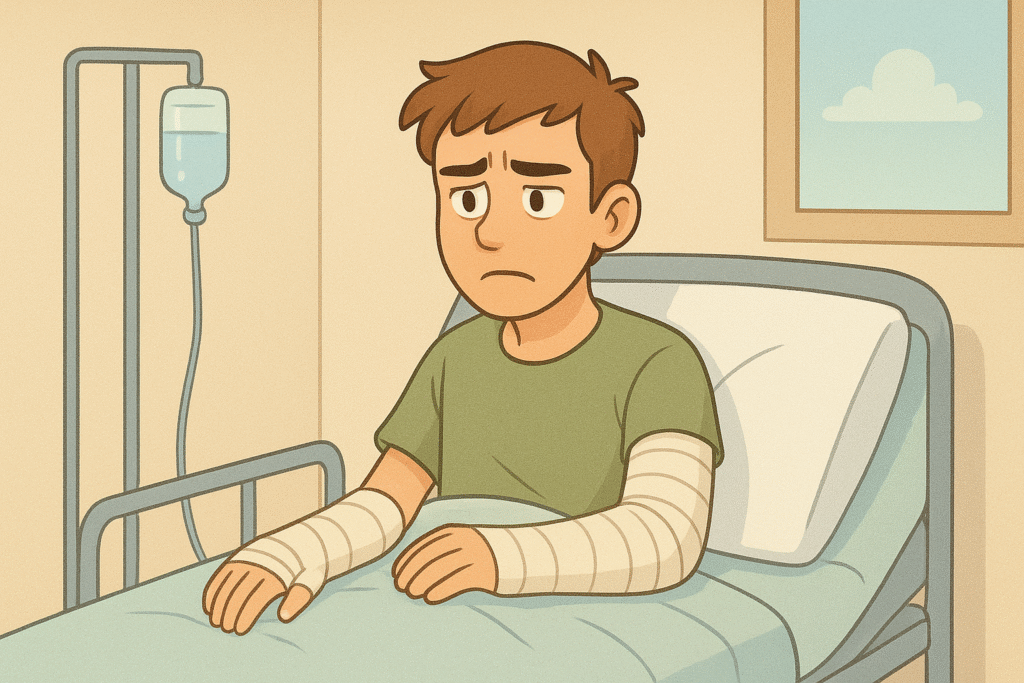
In trauma medicine, children as young as 15 are often sent to adult trauma centers to address their acute medical needs. Special care should be provided to young adults at these trauma centers to promote resiliency and developmental growth. Let’s discuss some ways to support adolescents and young adults experiencing the world of adult medicine.
- Information Sharing: Adolescents and young adults should be involved in their medical care. They should be receiving all the information possible about their condition and care plan. They will particularly benefit from visual explanations of physiology and anatomy, repeated and concrete information, decreased use of medical jargon or euphemisms, and increased processing time for making medical decisions. These patients may benefit from support in medical decision making through close friends or family, patient advocates, or a child life specialist.
- Coping and Adjustment: Adolescents and young adults may not have as many tools for resiliency given their young age and continued development. They may not have the skills for self-advocating for their coping needs. These patients will benefit from promoting the use of coping tools such as fidget toys, psychology services, and access to outside hobbies. Patients can be encouraged to have friends or family members bring their favorite things to the hospital to make them comfortable. Patients at this age may be embarrassed using comfort items such as specific blankets, stuffed animals, or room decorations. Patients should be encouraged to access those past comfort items and assured that it is normal to reach back to our youth in times of stress. Patients at this age should never be denied access to caregivers and should always be able to choose who will be most supportive of them at that moment. Visitation should only be restricted (by staff or caregivers) for safety reasons.
- Identity development: Adolescents and young adults are still exploring and developing their identity and values. Experiencing medical trauma can disrupt their identity development and cause a reevaluation of values. This can be additionally traumatic, confusing, and unexpected for young adults. It is important to support them in their identity exploration with support from psychology services, pastoral care, child life, and access to family and friends.
- Peer Support: Adolescents and young adults are often experiencing a lack of belonging in communities. As this time is a period of transition, young adults may feel too old to participate in youth community, and too young to feel seen in adult communities. Whenever possible, connecting adolescents and young adults with each other to provide peer-to-peer support is most beneficial. Support groups or community events that specifically target and prioritize this age group are important in providing a sense of belonging and understanding that these survivors are not alone.
When supporting a young adult experiencing a trauma, the most important reminder is to recognize their youth and continued development. No two people experience or react to trauma in the same way. A young person who presents as independent and mature, may still be struggling with values, identity, emotional dysregulation, or lack of community. All people in this developmental stage deserve to be offered specialized support and encouraged to utilize it. Providing additional support to adolescents and young adults can help ease their transition to adulthood and promote resiliency and post-traumatic growth.
References:
Age Limit of Pediatrics | Pediatrics | American Academy of Pediatrics
About the Author:
Jackie Newman is a Certified Child Life Specialist specializing in working with patients with traumatic injuries such as brain injuries and spinal cord injuries. Beginning her career at rehab, Jackie developed a passion for working with adolescents, young adults, and their families. Now, Jackie is blazing a trail as one of the first Certified Child Life Specialists dedicated to an adult trauma unit: Shock Trauma Center at University of Maryland Medical Systems. Jackie serves adolescent and young adult patients helping support them on the first step of their journey to recovery.