
Historically, gardens have played a role in healing the heart and the mind. Hospitals in the 4th century were designed with gardens and landscapes as part of the healing setting. Zen gardens originated in the 14th century, servings as settings for meditation and contemplation. Many medical centers today are implementing enclosed or planned gardens to support healing for both patients and staff.
Gardens provide emotional, spiritual, and psychological healing, but you don’t need to visit a medical center healing garden or a professionally designed garden space. You can create your own healing space at home.
Healing gardens tend to fall into two categories: restorative and enabling. A restorative garden is one where being in the space supports your healing. An enabling garden is one where you are actively engaged in working the soil and handling the plants. Your healing garden can have aspects of both, or just one. It’s about identifying how the garden can support your healing. For a purely restorative garden, consider low maintenance plants or even fake plants. For an enabling garden, consider a good pair of gloves and other tools that allow you to be as hands on as you want.
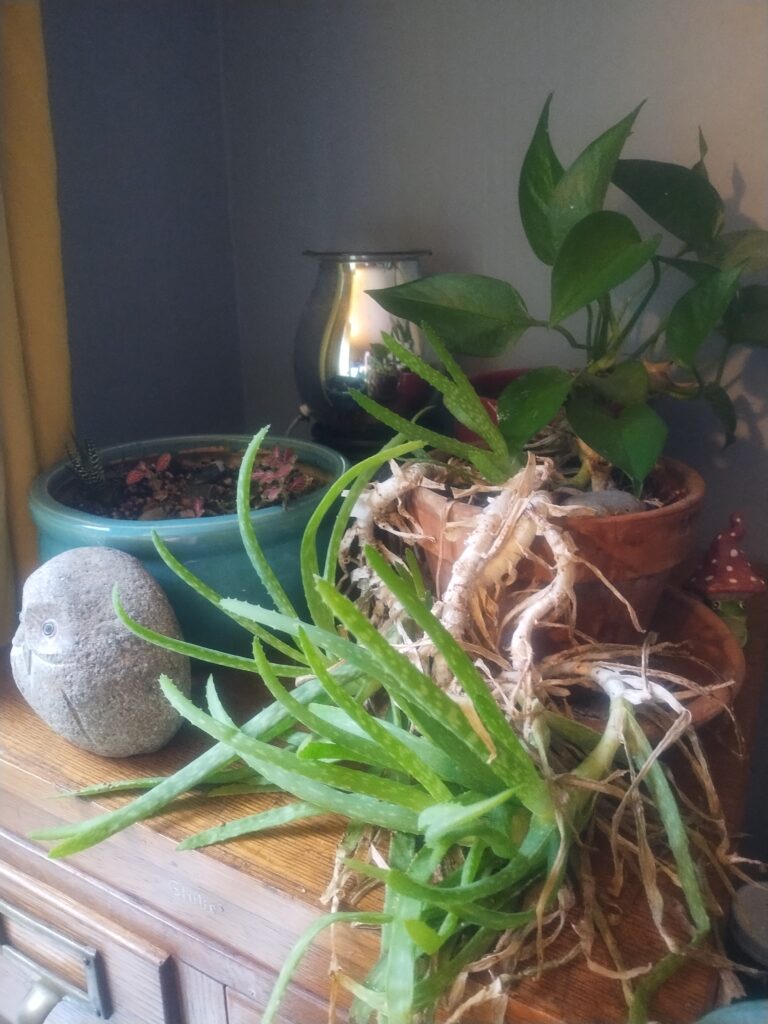
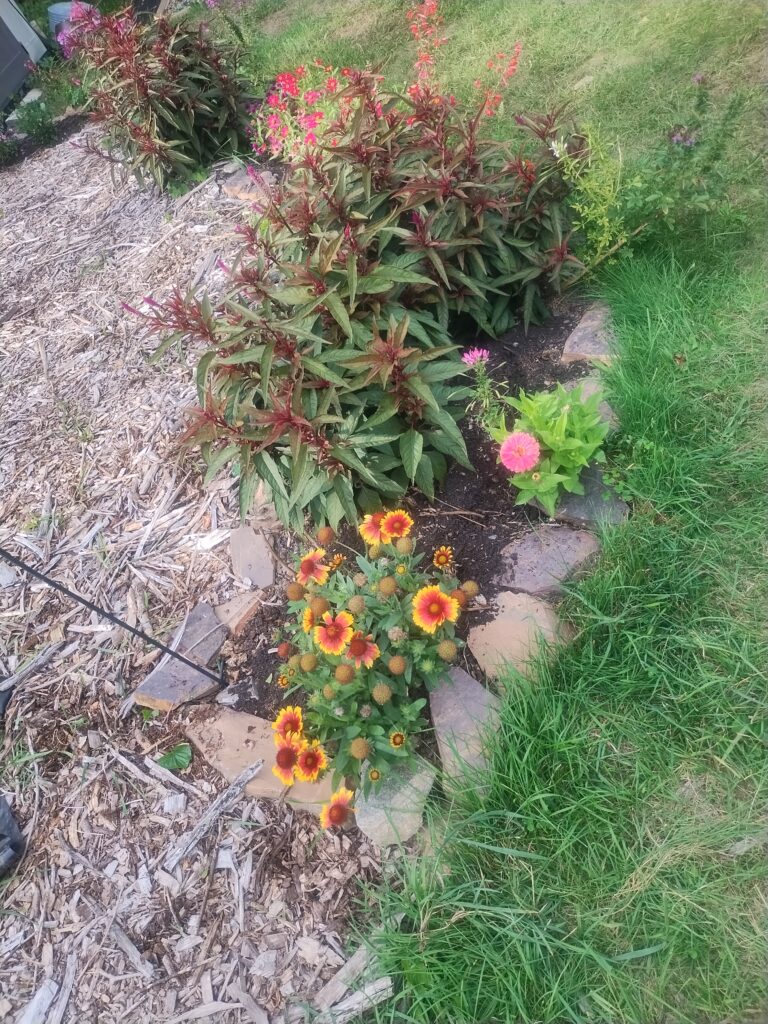
When deciding what to plant in your garden, consider what parts of a healing garden are most impactful for you. Is it the sight of flowers? Is it the aroma? Is it the texture of the leaves as your walk past? Is it being able to pick ingredients to make a meal or brew yourself a cup of fresh tea?
Your healing garden can be created in a yard, on a porch or patio, or indoors in your home. It can start with a single plant and grow as you develop your vision for your healing garden. You don’t have to be limited to only plants for your healing garden. You can add statues, painted rocks, and other decorations. Whatever brings you joy and helps heal your soul.
In the end, your healing garden will be as unique as you and your recovery journey.
Step by Step Summary
Step 1: Reflect on what type of garden will help you heal and start crafting your vision for your healing garden. Will it be reflective or enabling? Will it be focused on visual flowers, aroma therapy, edibles or tea? Will it be outdoors or indoors?
Step 2: Make a list of what you want in your garden to support your healing. What are your non-negotiables and would love to haves?
Step 3: Decide on your budget and begin sourcing materials. Building your garden does not need to be expensive. A lot of times you can access from plants and seeds from local libraries, buy nothing groups, or garden club swaps. Thrift stores and free pages often have pots and garden tools available. You may even be able to source cutting and plants by talking to neighbors who have plants you love.
Step 4: Have fun assembling your garden and let enjoy the healing properties of being engaged in nature. It can sometimes feel like a slow process, but the garden will grow over time.