

Grounded and Supported
Grounded & Supported: A learning and support group for TSN peer volunteers Earlier this year, nine TSN peer support volunteers gathered in Charlotte, NC to discuss the impact exposure to traumatic experiences can have on a person’s wellbeing. The gathered volunteers had the unique opportunity to reflect on themselves and…
Strengthening Care Through Caregiver Support
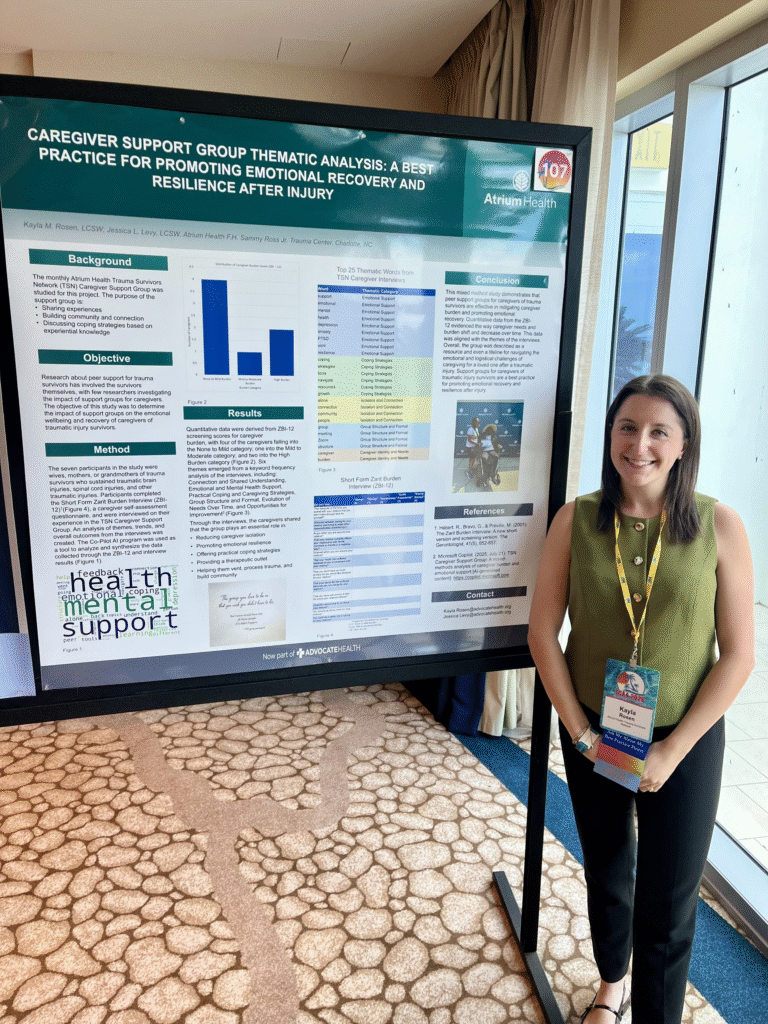
Strengthening Care Through Caregiver Support At Atrium Health Carolinas Medical Center’s Trauma Survivors Network program, we offer several different support groups, including Adult Survivors, Teens & Young Adults, Tweens, and Family & Friends. In the Family & Friends group, I noticed that there is a consistent group of women who…

Examining our lens: how bias heightens disparities in trauma research
Article published in Trauma Surgery and Acute Care Open (TSACO) “Examining our lens: how bias heightens disparities in trauma research”, June 2025. This paper is a product of the August 2023, Summit on the Advancement of Focused Equity Research (SAFER) meeting hosted/coordinated by Coalition for National Trauma Research (CNTR). ATS Board member Garrett Hall was an ATS representative…

Food As Medicine
Trauma Recovery Can Be Supported by “Food as Medicine” Interventions Food insecurity is a critical determinant of injury recovery and re-injury prevention. Advocating for integration of food-based interventions can improve outcomes for injured patients.
Perspective Patient Voices
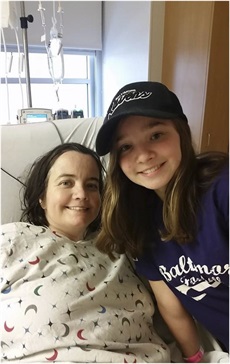
A Second Trauma: Navigating Infection After Orthopaedic Surgery Read the article from The Journal of Bone & Joint Surgery sharing Debra’s story of survivorship, first from her motor vehicle crash and then from a post-surgery infection. “In terms of my health, I can say that my road to recovery will…
Non-Addictive microcurrent emerging as standard of care in SCI neural treatments
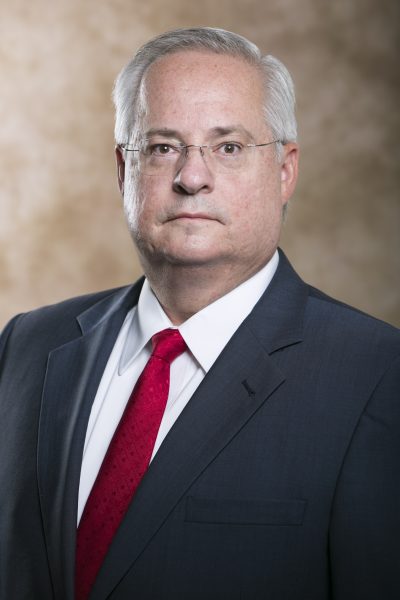
A webinar hosted by the North American Spinal Cord Injury Consortium (NASCIC). Dr. Richard Todd Dombroski will present patient cases of Cervical Spinal Contusion, Transverse Myelitis, GBS, and Diaphragm Injury using novel microcurrent, or “e-stim”, treatments. He will share the technology and benefits of Reaction Technology™ (in-clinic and at-home) for…