
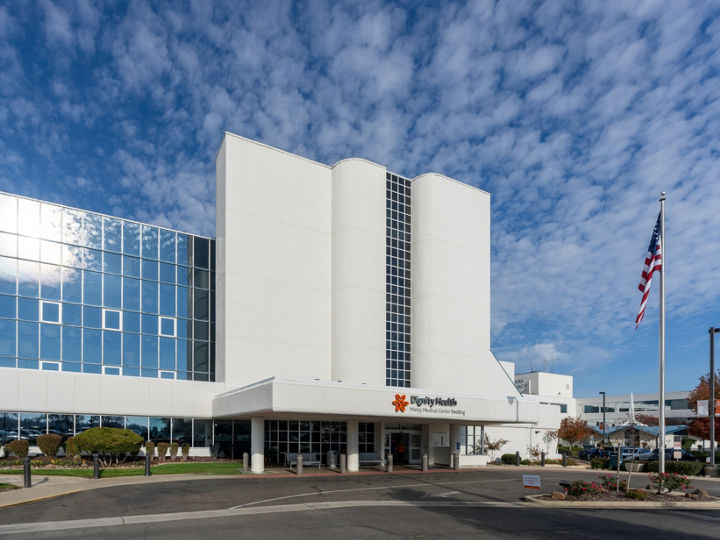
Mercy Redding Trauma Center is verified as a Level II Trauma Center by the American College of Surgeons (ACS).
Our Level II Trauma Center provides board certified doctors, skilled surgeons, sub-specialists, and all the necessary support services and equipment to care for all medical conditions including seriously injured trauma patients on a 24-hour basis. This includes monitoring all phases of care from prehospital transport to rehabilitation.
Mercy Medical Center Redding’s Trauma Prevention and Outreach program provides community education and outreach efforts to decrease preventable death and injuries.
TSN Coordinator
Jen Jones, RN
Email
[email protected]
Address
2175 Rosaline Ave
Redding, California, 96001
Telephone
work: 530-225-7098
Recovery Support Resources
Local Resources
Dignity Health Connected Living
Dignity Health Connected Living in Redding provides essential community resources, including adult day health care, social companionship programs, caregiver support groups, and emergency food assistance. They also operate dedicated door-to-door transportation services to help elderly and disabled residents remain independent. To access these programs, you can visit their facility at 100 Mercy Oaks Drive, call the main office at (530) 226-3002, or reach the transit line directly at (530) 226-3075.
Disability Action Center
The Disability Action Center (DAC) can assist trauma patients by providing an Independent Living Program to help individuals partner with an advocate and form plans to live as self-reliantly as possible. For patients dealing with traumatic brain injuries specifically, DAC offers a dedicated Traumatic Brain Injury Program (TBI), alongside supportive services like Assistive Technology (AT) enhancements, housing information, peer mentoring, support groups, and independent living skills training. For more information or to access these resources, you can call the Redding Office at (530) 242-8550. Redding, Mt. Shasta, Yreka, and Chico.
Brain Injury Coalition
The Brain Injury Coalition (BIC) operates as a non-profit dedicated to assisting trauma patients, individuals recovering from strokes or brain injuries, and their loved ones. To facilitate long-term healing and community reintegration, the organization hosts monthly Thresholds educational events, interactive concussion awareness workshops, and supportive music therapy social groups. Additionally, BIC guides individuals toward area partners offering peer connection, independent living advocacy, and targeted rehabilitative therapies to ensure holistic support following neurological trauma. To inquire about services, you can reach them by email at [email protected], send a text to (530) 433-9099, or call their office directly at (530) 342-3118. Chico.
National Resources
The American Chronic Pain Association
The American Chronic Pain Association (ACPA) offers educational tools, self-management resources, and peer support for managing chronic physical and emotional pain after surgery or motor vehicle accidents. Key offerings include a mobile app, the ACPA Stanford Resource Guide, doctor communication guides, peer-led support groups, the Family Matters series for loved ones, and relaxation exercises. For help or questions, users can use the Contact Us portal or reach out to Technical Support.
The Americans with Disabilities Act
The Americans with Disabilities Act (ADA) online portal, maintained by the Department of Justice, furnishes critical legal direction and statutory resources to aid individuals in understanding their civil protections when navigating life with temporary or permanent impairment. The platform outlines comprehensive regulatory standards governing societal access, covering detailed mandates for handicapped parking, auxiliary mobility tools, service animals, and inclusive communication protocols. Furthermore, it details technical criteria for clinical diagnostic machinery and explains procedures to submit formal grievances regarding discriminatory practices at public accommodations, commercial establishments, or municipal institutions.
Amputee Coalition
The Amputee Coalition assists individuals facing limb difference or loss through comprehensive, cost-free aid anchored by its federally funded National Limb Loss Resource Center, delivering over forty specialized educational handbooks and seventy bilingual informational sheets. To facilitate smooth transitions following major trauma, the organization assists with insurance claims advocacy, connects patients to an expansive network of over 300 local support groups, and delivers localized emotional support via hundreds of trained Certified Peer Visitors. Survivors can also access dedicated initiatives such as the Youth Engagement Program, targeted vocational services for veterans and adults re-entering the workforce, and interactive online forums through AC Connect.
Brain Injury Association of America (BIAA)
The Brain Injury Association of America (BIAA) offers comprehensive guidance to individuals recovering from neurotrauma, featuring specialized educational materials such as their What to Expect After Brain Injury Guides tailored for pediatric and adult populations. Beyond educational literature, the association aids survivors and family members in navigating clinical treatment pathways, securing financial options for ongoing rehabilitation, and managing interpersonal dynamics throughout recovery. Additionally, BIAA coordinates specialized educational symposiums and webinars addressing long-term post-concussion syndrome, cerebrovascular recovery, and spasticity care. To speak directly with a resource specialist, individuals can contact the National Brain Injury Information Center at 1-800-444-6443.
BrainLine
BrainLine is a national multimedia service offering educational materials, expert guidance, and community support for traumatic brain injury and post-traumatic stress. Key offerings include The Treatment Hub digital brain mapping tool, recovery literature, a regional Resource Directory, clinical Q&As, personal blogs, and customized guidance toolkits for youth, caregivers, and military personnel. Contact can be made via their web portal or at (703) 998-2020.
The Family Caregiver Alliance
The Family Caregiver Alliance (FCA) furnishes dedicated assistance, educational tools, and community guidance tailored specifically for the loved ones supporting individuals recovering from severe physical or neurological trauma, such as strokes and traumatic brain injuries. To streamline ongoing care management, the organization features CareNav, a customized digital platform designed to construct individualized support plans. Furthermore, FCA delivers direct clinical relief including wellness programs, practical caregiving skills instruction, temporary respite aid, and financial or legal consultation support. Families can also participate in interactive educational webinars, explore a comprehensive multilingual digital library addressing wellness and recovery, and utilize a specialized statewide resource locator to discover localized support services. To connect with a care coordinator, individuals can call the San Francisco headquarters at (415) 434-3388 or reach their toll-free assistance line at 1-800-445-8106.
The National Center for PTSD
The National Center for PTSD provides research, education, and resources—including a PTSD Treatment Decision Aid, provider locator, free mobile apps, and the AboutFace initiative—to help individuals understand and manage post-traumatic stress responses. It offers specialized guidance for conditions like traumatic brain injury, chronic discomfort, and sleep disturbance. For general inquiries, contact [email protected] or (802) 296-6300; for immediate distress, reach the Veterans Crisis Line by calling 988 (press 1) or texting 838255.
The Neurocritical Care Society
The Neurocritical Care Society (NCS) delivers targeted clinical literature, instructional tools, and guidance designed to assist neurotrauma patients and their loved ones in understanding critical conditions like severe spinal cord damage and traumatic head injuries. To encourage individuals during rehabilitation, the organization highlights inspiring recovery accounts through its Stories of Hope multimedia collection. Additionally, NCS provides an extensive directory to specialized medical networks and educational materials outlining the roles of neuro-ICU specialists—such as physical therapists, neurosurgeons, and neurointensivists.
The United Spinal Association
The United Spinal Association furnishes specialized assistance and educational resources to empower individuals adapting to spinal cord damage, neurological conditions, or mobility transition. Through its centralized Resource Center, the organization offers clinical guidance on securing adaptive equipment, managing healthcare benefits, and implementing accessible residential modifications. To foster long-term community reintegration, the network pairs survivors with peer mentors, coordinates more than 100 local support groups, and administers a targeted Work Readiness Program for vocational rehabilitation. Additionally, members receive practical lifestyle direction through New Mobility magazine. Individuals seeking guidance can connect with a specialist directly by calling 1-800-962-9629 during business hours, or contact the headquarters at (718) 803-3782.
Upcoming Programs & Events
NextSteps Online
Ongoing – The NextSteps program is a free 6-week self management course designed to recognize that YOU play the most important role in your recovery. based on the principles of self-management. It uses techniques that have been scientifically proven to increase one’s self confidence and sense of empowerment. NextSteps teaches you the skills to become an active self manager of your health and your life. Learn more here.
Stop the Bleed
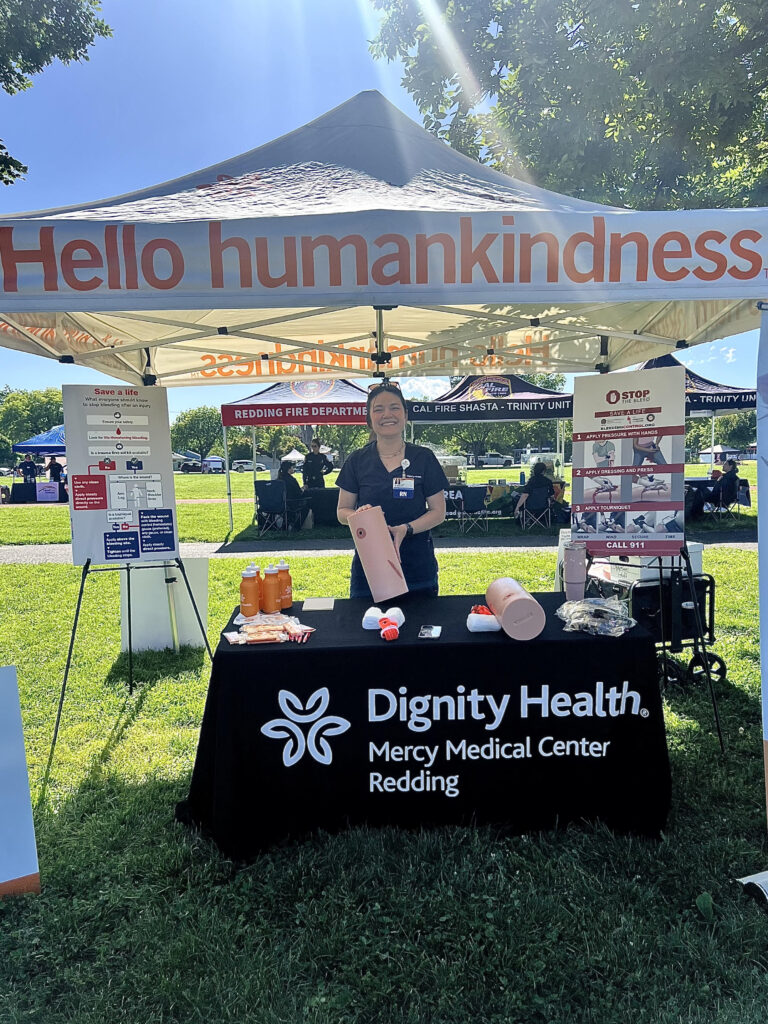
Ongoing – ACS Stop the Bleed is a course based upon empowerment and engagement in the community of bystanders who play a vital role in preventing serious bleeding and death in emergency situations. If you or your organization is interested in STB training please fill out this Google form or reach out.
TSN Virtual Peer Support Groups
Ongoing – Traumatic injuries affect both physical and psychosocial wellbeing. The Trauma Survivor’s Network Peer Support Groups connect trauma survivors, providing a space to share experiences, offer mutual support, and enhance coping skills. Learn more here.
Child Passenger Safety
Wednesday, September 26, 2026, from 9:00 AM to 1:00 PM: Complimentary Child Passenger Safety Seat Check. In observance of Child Passenger Safety Week (September 20–26), Dignity Health, in collaboration with the Shasta County Department of Health and the California Highway Patrol, will host a child safety seat inspection event at Anderson River Park. Certified technicians will be available to evaluate car seats and booster seats to ensure proper installation and appropriate fitting for your child. Check back for upcoming community events.
Fall Prevention
September 21–25, 2026, Fall Prevention Awareness Week focuses on raising awareness and empowering older adults and their families to reduce fall risks and maintain health and independence.
Practical Fall Prevention Tips:
-Keep floors, stairs, and walkways free of clutter, cords, and unsecured throw rugs.
-Ensure good lighting throughout the home, using nightlights in hallways and bedrooms, and lamps near beds.
-Install grab bars and non-slip rubber mats in tub and shower areas.
-Keep frequently used household items on lower, waist-level shelves to avoid unnecessary climbing or reaching.
-Stay active to build strength and balance, regularly review medications with your healthcare provider, and wear supportive, non-skid footwear.
For more tools, checklists, and guidance visit the National Council on Aging and explore their 6 Steps to Help Prevent Falls in Older Adults.