
The “New Girl” In the Mirror, Erin’s Story
Perhaps you know what it’s like to open your eyes to a blur,to see nothing recognizable, and to hear an unfamiliar voice tell you, “don’t touch that,” from a lady you can not see.
You only wanted to touch whatever seemed to be sticking out of your mouth. A bone? Why would anything be sticking out of your mouth?
If it sounds familiar, our stories are not so different. On August 9, 2013, I was driving home at 2 am, legs hugging the body of my silver motorcycle, a YBR 125 city bike.
Only five minutes from my apartment in France, the scene swirled into darkness until I heard the lady tell me not to touch “that”, this thing that had pierced through the blur to pique my interest. With heavy eyelids, I drifted to sleep as bits and pieces of the previous events scattered from room to room in the back of my mind.
Anger and disappointment had pushed me to question the value of life itself, and I drove in the night with blood boiling. I advanced up a one-way street, toward home. Still fuming, I barely noticed the red halo encircling the second traffic light where I screeched to a halt. I poised my right foot against the concrete sidewalk, heart pounding, and looked up at the obsidian sky. And with whatever life remained within me, I pleaded:
“Help me. I’m angry, truly angry, an anger so vile I’ve lost sight of why life matters. Help me to stay calm. To take responsibility for my own actions.”
The words “stay calm” resurfaced within me the moment I realized I was in the hospital. Indeed, I was dangling between life and death, hearing a musical tune no one else could. In and out, I’d see my parents who, living in the States, shouldn’t have been there. They repeated the answer to my question, “What happened?” at every visit, until it stuck.
“You had an accident.”
Internally, I heard the words, stay calm.In any life-threatening situation, one must remain calm to properly heal. My soul clutched onto this line during my one-month stay at the hospital.
I have no memory of the collision. The investigation concluded that my motorcycle entered the center of the first traffic intersection of the one-way street at the same time as an undercover cop car. The motorcycle collided into the part of the passenger door frame that connects to the front window.
My mind did not entertain the possibility of a twisted investigation. I had driven under the influence of anger and alcohol. The words “remain calm” and “take responsibility for my actions” allowed me to perceive the accident without blaming the other driver. I was relieved to learn he had not been harmed. An accident, after all, if no ill-will or intentionality is involved, is simply an accident.
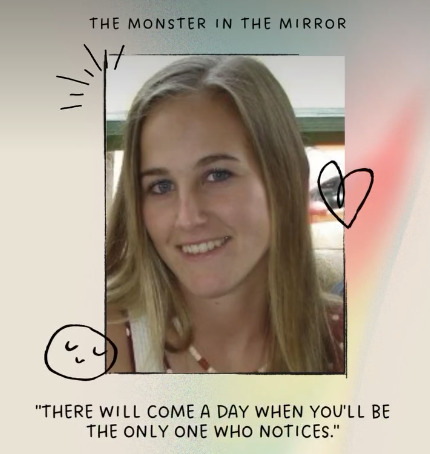
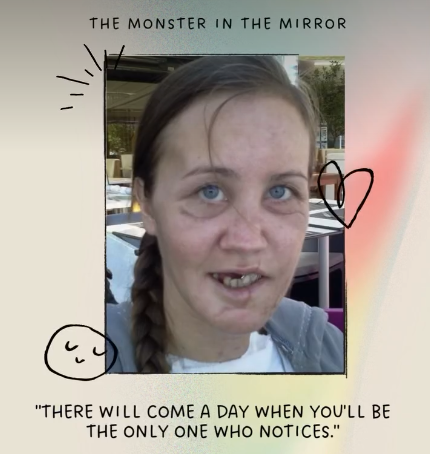
Despite the freedom from anger this moment of calmness and peace provided me, the aftermath of the accident required a tiring emotional strength, one you might already understand or need to prepare for. In this case, my face had taken the brunt of the hit. Seeing the monster in the mirror for the first time at the hospital momentarily stripped me of the peace I’d obtained.
But I quickly pushed aside reality to maintain an uplifted spirit so friends and family would enjoy their time visiting me in the hospital. It might sound strange to say the word enjoy, but I wanted them to feel at ease, I wanted us to laugh, I wanted to hear their stories.
Their visits and phone calls got me through the multiple operations. In addition to correcting the misaligned eye and attempting to reset the jaw, the surgeons operated on my broken left arm, split in two spots, and the three fractured bones in my left hand.
Then, there was what no operation could assist, a reality I’d have to endure: My face would never look the same. I don’t recognize the girl I once was. She’s gone, and I look in the mirror every day to communicate with the one who took her place. At times, we exchange kind words. Other times, not so much. The truth is that our emotions are not consistent, and yet I feel a sense of grace toward this girl, the by-product of how I’d mistreated the previous one. Our bodies are the host to our soul and spirit. Mistreating our bodies, ourselves, is akin to taking a punch at our spirit, or forcing it to live in a damaged environment. I came to realize I’d stopped loving this girl long ago. Now that she’s gone, I feel remorse and an obligation to do better.
Our stories will never be entirely the same, but if you have encountered a situation of loss such as mine, it is perfectly normal to go through a grieving process much like you would if you lost a loved one.
It took months into recovery to learn this part of the journey that no one around me could understand.I needed to mourn the loss of this girl who I would never again see. And, somehow, I’d need the courage to learn to love the new girl and, ultimately, to forgive myself for the many mistakes that led me here.
Once we understand the type of grief we’re dealing with, we can navigate our recovery journey with inner peace. And, if we can stomach it, dig into our life story to find deeper meaning.
It happened thirteen years ago. I’m realizing for the first time that I’ve been in France longer post-accident than pre-accident, now that life is split into two sections for me: the before and the after. And in between the two, I spent a decade mentally frozen at age 27, the year of my accident. It took as long for me to shake the bonds of past habits and reconnect to my true self, the girl I’d left on the side of the road so long ago, before ever leaving the States for France.
I could say the life-saving recovery in my story began the instant of the collision, a necessary step in healing from the reckless life I was living. Instead, I’ll place the starting point at the moment I pleaded for help which happened in parallel to the accident, at the first traffic intersection on the one-way street. Within minutes following the collision, an emergency vehicle happened to turn down the street to find me. They hadn’t received a call.
It’s very easy to fixate solely on the event, especially when we discuss recovery, but life isn’t about immovable points in time we can use as simple references. These points are more complex and can be stretched one way or the other, providing more details when we zoom in and out. It’s why self-reflection became a central element in my healing journey which I’d break into multiple, nonexhaustive phases, as recovery is lifelong. It is not linear, and it is not identical for each person.
Still, finding common ground in the journey can contribute to stability and community. Art is a beautiful way to advance through recovery, and it’s more frequently relied on than we’d expect. Drawing and painting allow us to depict our emotions without using words, writing can orient our emotions in a way that might reveal hidden insights into our stories, working with clay and other materials can regulate our emotions without placing emphasis on our lived experience.
Before the accident, I’d started painting faces. After the accident, I continued painting faces with a renewed, poetic resonance in line with what I was living. I read The Picture of Dorian Gray by Oscar Wilde, an interesting take on outward beauty and one’s attachment to appearance which stimulated a painting project. I wrote, I drew, I read, I painted, I created.
Through creation, we exist. Trauma can convince us that our story ended on the day everything changed. Creating reminds us that we’re still writing it. Every brushstroke, page, sculpture, or photograph becomes quiet evidence that life continues, and that so do we.
If trauma convinced you your story ended, creating is how you prove it didn’t.
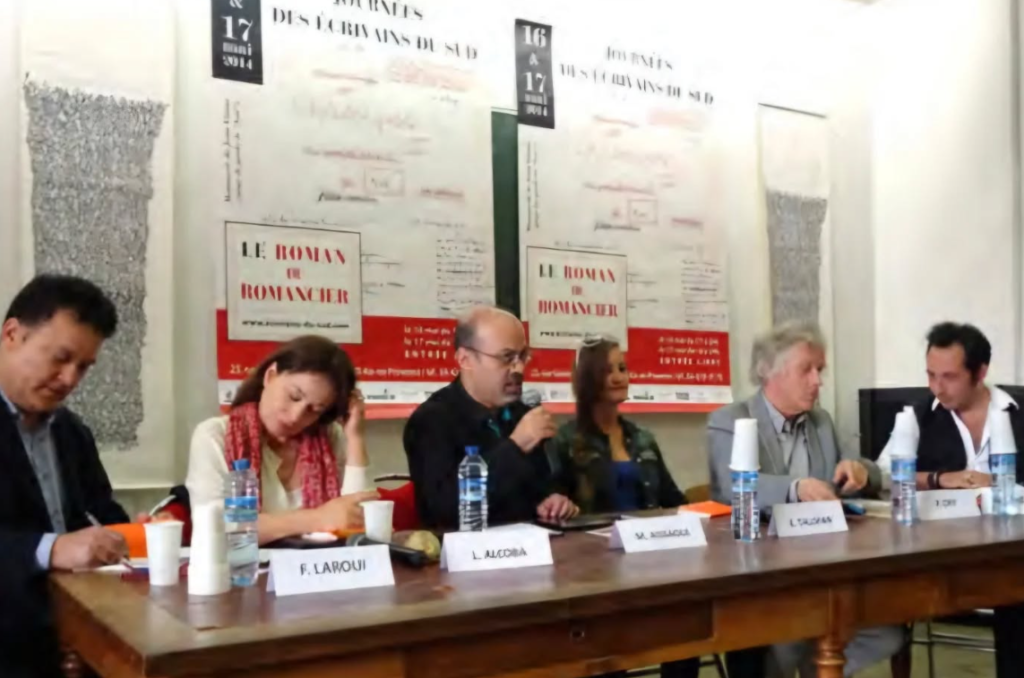
That realization gradually changed how I lived. So I opened an art studio where I invited other artists to participate in exhibitions with me, supported by a city district mayor. I published my first novel, spoke about it at a renowned author conference, wrote many short stories that were never published but often accompanied my paintings. It didn’t matter. I was creating. A safe space for release, for discovery, for interpretation.
Now, I’m developing trauma-sensitive creative retreat experiences in the mountains of southern France where guests can reconnect to their inner peace through art, nature, and well-being. It’s why I believe networks such as TSN are crucial to our recovery. They provide a place where we can interact with others who understand the challenges we face each day and where we can encourage one another through sharing pieces of our journeys in whatever way possible.
I hope to hear your stories, to provide you with a new avenue to release emotional tension and reconnect with inner peace, and to allow you to inspire me as well.
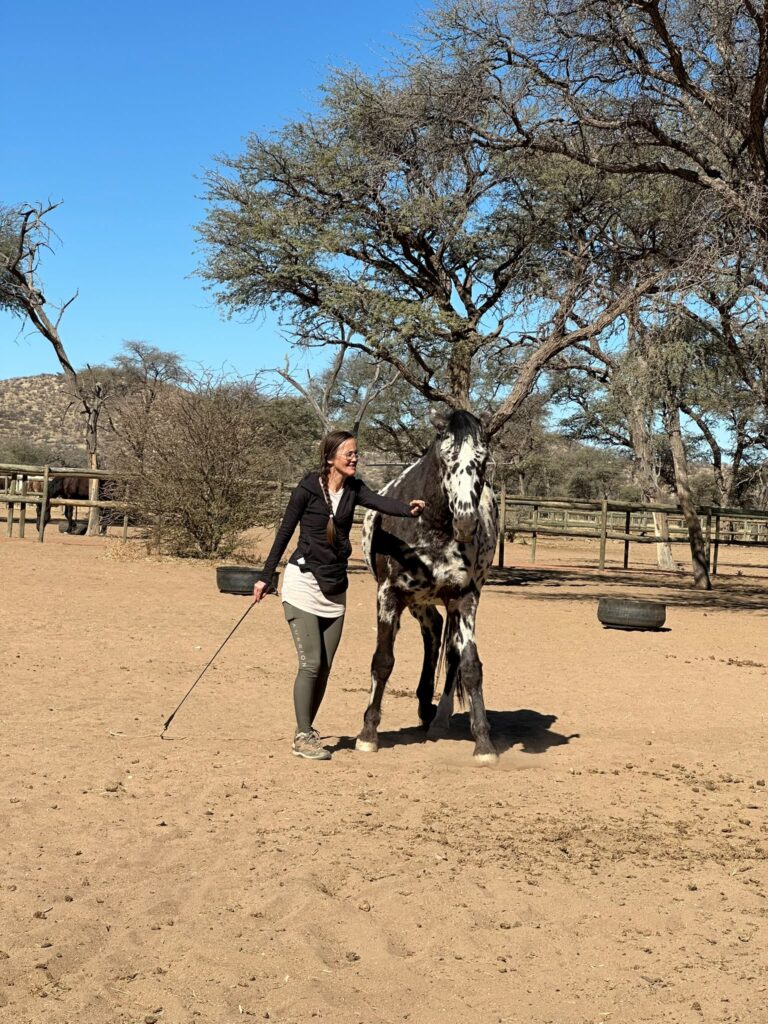
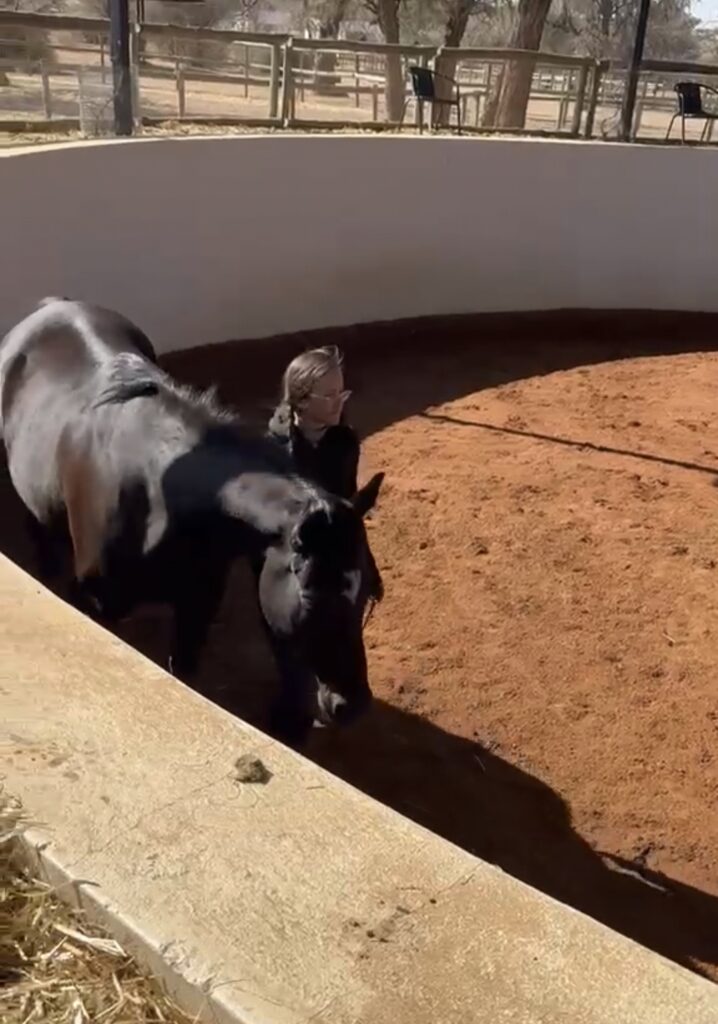
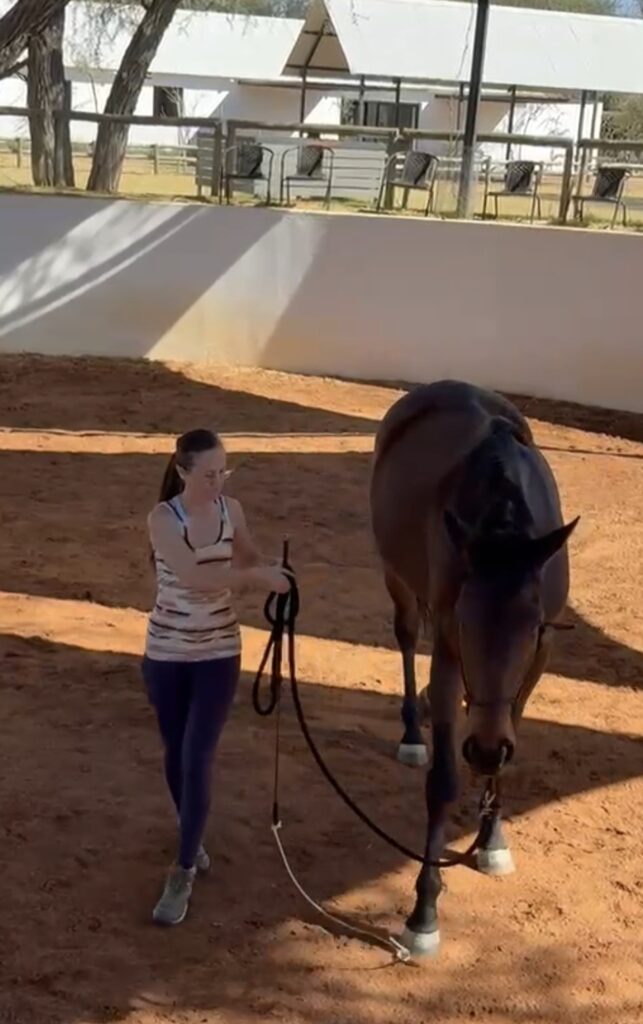
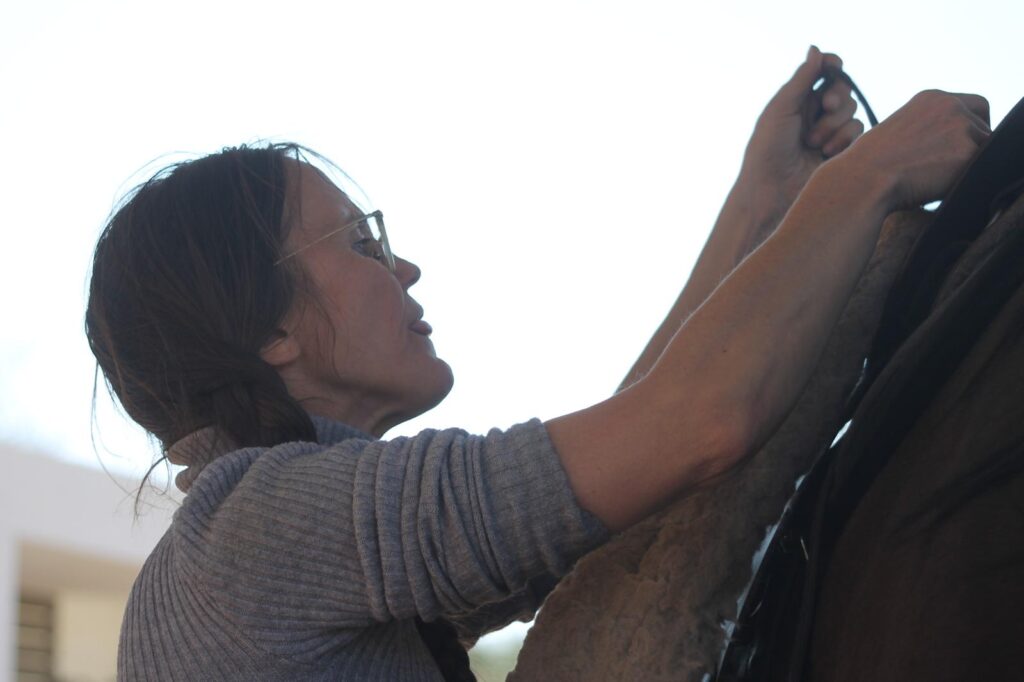
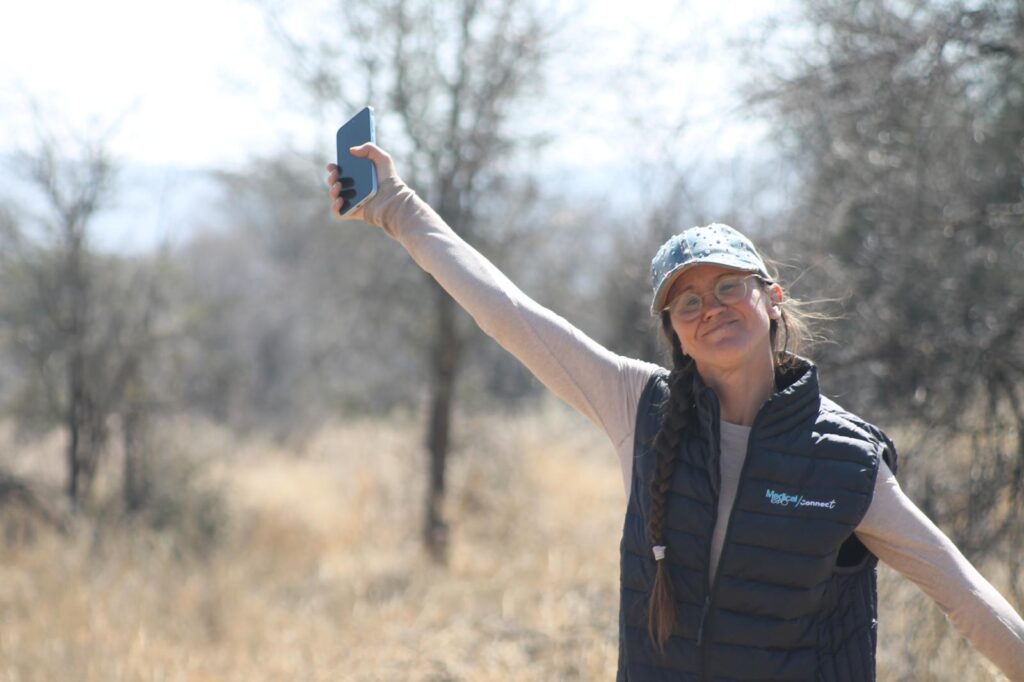
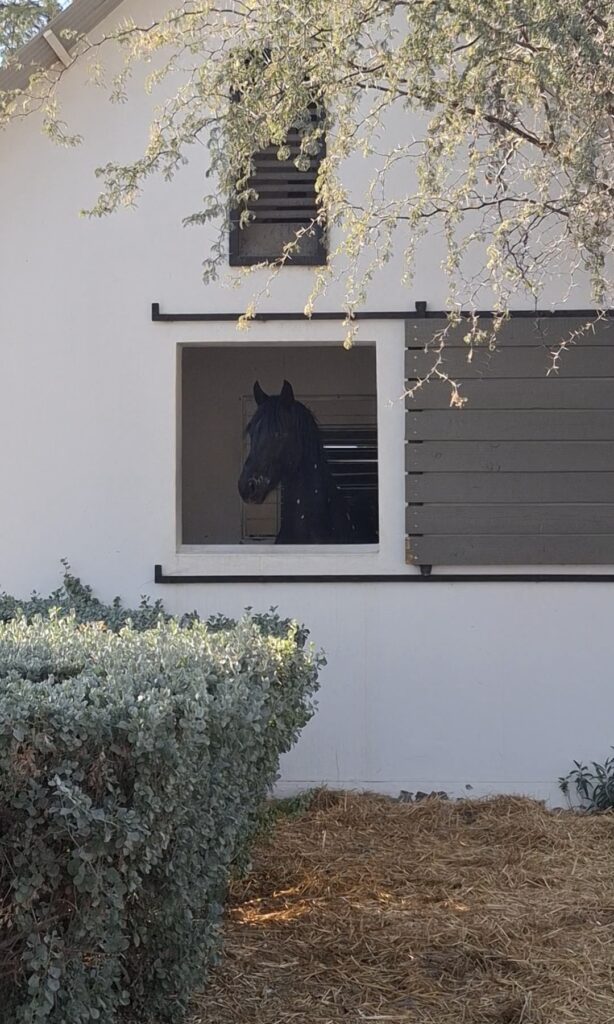
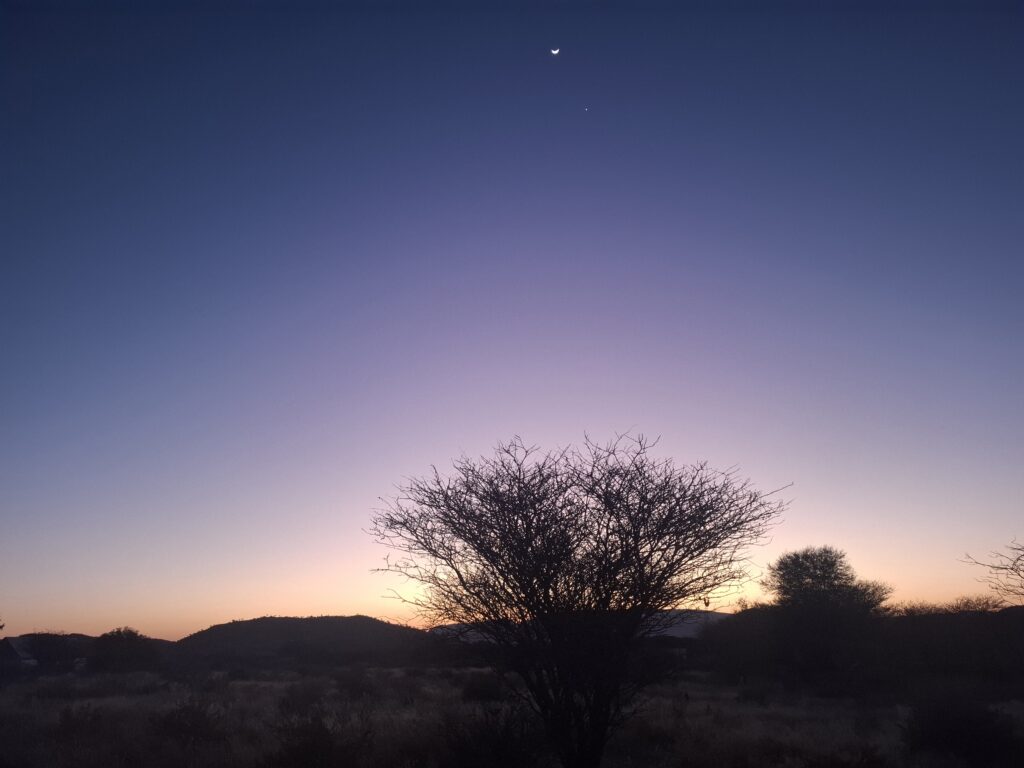
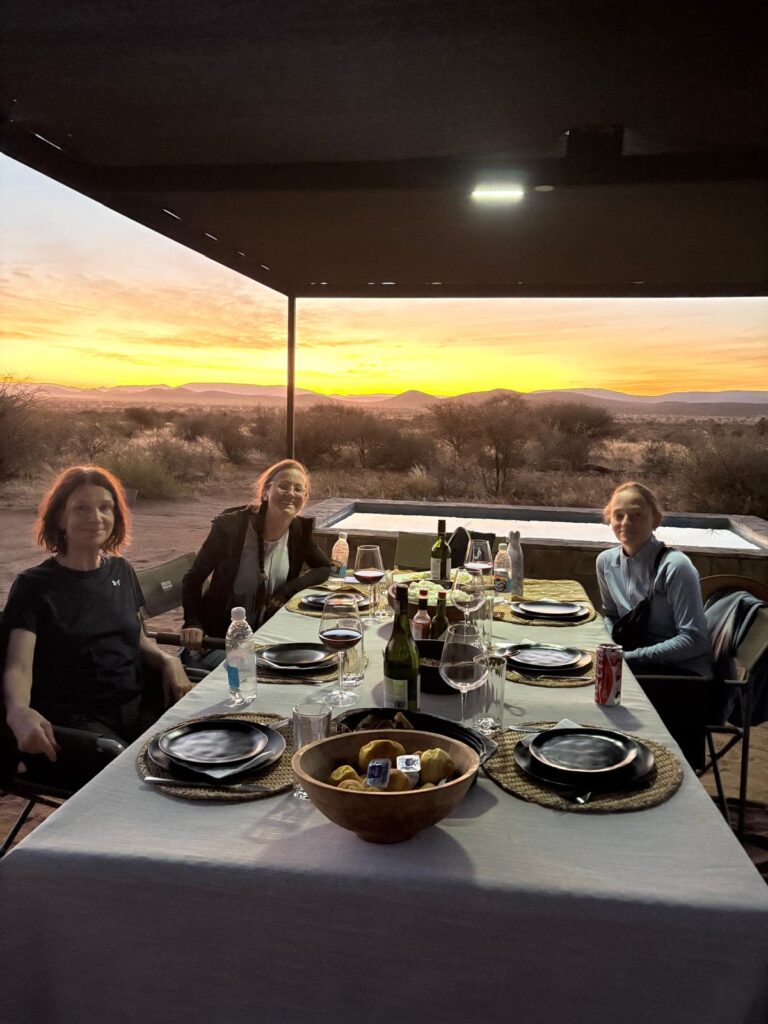
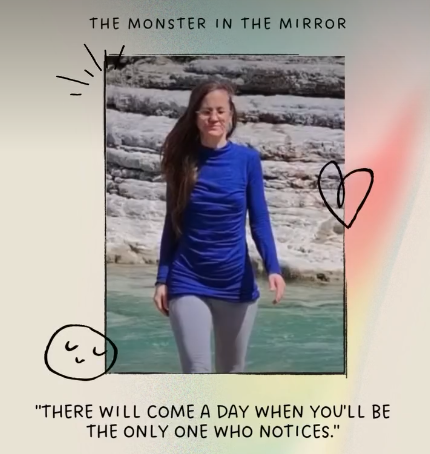
Pictures are of Erin in Namibia. Credit to Alice ENÉE for her support in taking some of the pictures throughout the trip.