
For a trauma survivor recovering from a serious physical injury, life after injury can feel very different from the life that came before. Pain, changes in independence, financial concerns, changes in relationships, and uncertainty about the future can all take an emotional toll. Even when physical healing is progressing, the emotional weight of an injury may remain. For some trauma survivors, this distress can include thoughts of suicide.
September is Suicide Prevention Awareness Month, an opportunity to not only recognize the parts of recovery no one likes to talk about, but also an opportunity to bring to light that you are not alone with the emotional pain.
Experiencing suicidal thoughts or suicidal ideation is not a sign of weakness or being ungrateful. It does not mean you are failing at recovery or at being a survivor. It can be a sign that the emotional pain has become overwhelming and that additional support is needed. Recognizing these signs early can help connect a trauma survivor with care and remind them that they do not have to face this part of recovery alone.
What to Watch For: Warning signs can look different from person to person. Pay attention to changes that are new or worsening.
- Withdrawal: Spending more time alone or losing interest in people and activities.
- Changes in mood: Increased sadness, anxiety, irritability, anger, or hopelessness.
- Changes in sleep: Sleeping much more or much less than usual.
- Increased substance use: Using alcohol or drugs more often to cope.
- Feeling hopeless or trapped: Saying things will never get better or that there is no way forward.
- Feeling like a burden: Saying others would be better off without them.
- Talking about death or suicide: Making direct or indirect statements about wanting to die.
- Making preparations: Giving away belongings, saying goodbye, or looking for ways to die.
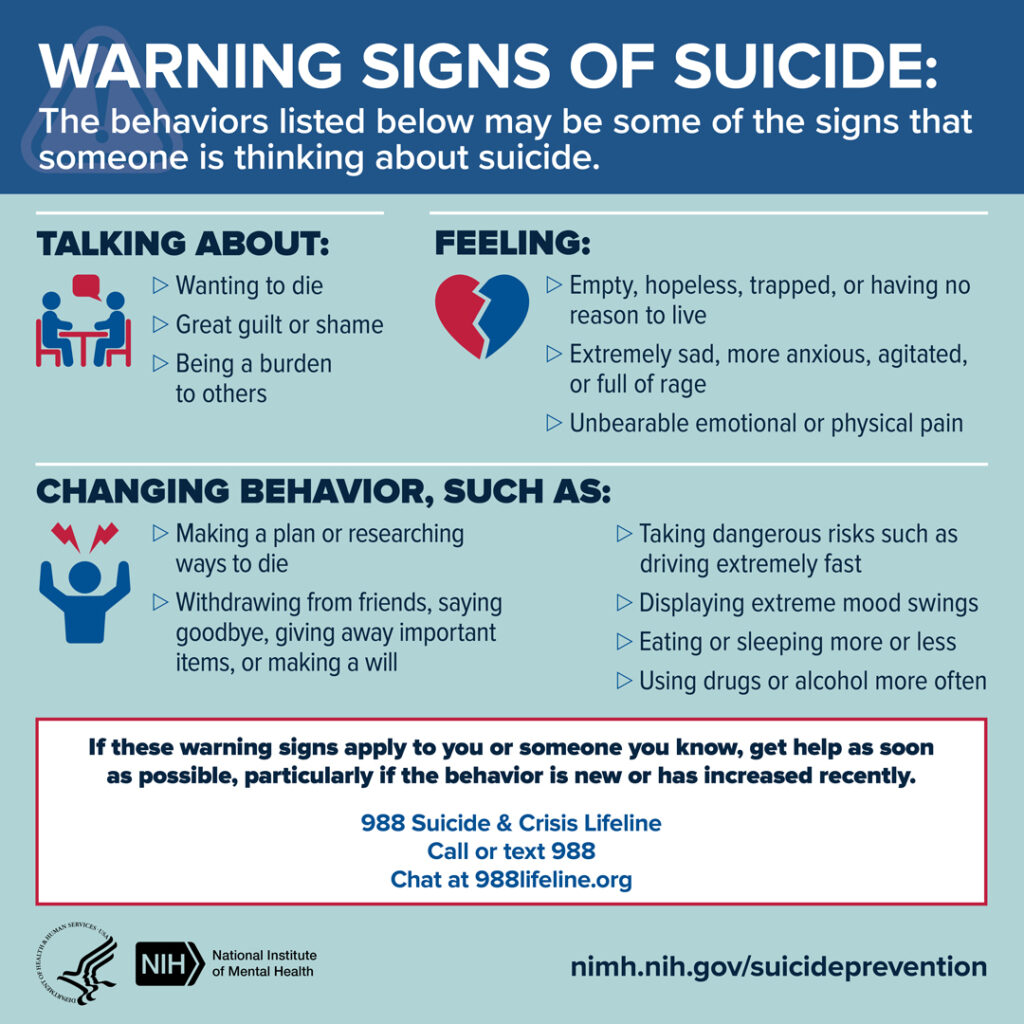
The 988 Lifeline and NAMI recommend taking these signs seriously, particularly when they represent a change in behavior or occur after a painful event or major life change, such as traumatic injury.
How to Start the Conversation: Starting the conversation around suicidal ideation or suicidal thoughts can be uncomfortable. You may not feel qualified to ask or be afraid of what the person’s response will be. That is understandable. There is a lot of stigma around suicide, but remember, an uncomfortable conversation can save a life. The goal is not to have all the answers, but to create a safe space where a trauma survivor can be honest about what they are experiencing.
Try starting with:
- “You have been through a lot. How are you honestly doing?”
- “Are you thinking about suicide?”
- “Tell me honestly how you have been feeling lately.”
Asking directly about suicide does NOT put the idea into someone’s head or make suicide more likely. It can reduce isolation and give a trauma survivor permission to talk about something that may feel frightening or difficult to share.
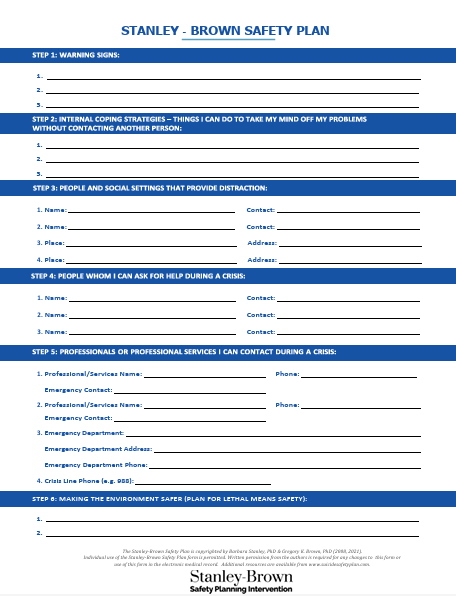
Lead With Compassion: If a trauma survivor says they are having suicidal thoughts, listen calmly and without judgment. Avoid statements such as “You have so much to live for” or “You’re lucky to be alive” Instead, try:
- “Thank you for sharing that with me.”
- “Let’s find support together.”
- “Let’s work together to build a safety plan.”
To assess if there is an immediate danger or a person has a plan or chosen a method for suicide, ask if they are currently having thoughts of ending their life and if they have a plan for how to end their life. Depending on their answer, you may want to seek emergency help.
You can visit an ED for a behavioral health support and intervention by clinical professionals or call the LifeLine for guidance and next steps.
- In the United States or Canada, call 988 for the Suicide & Crisis Lifeline.
- In Australia, call 000 for the Lifeline
Recovery is more than healing the body. Emotional healing matters, too. Sometimes, one compassionate and uncomfortable question can be the first step toward helping a trauma survivor feel heard and supported.